
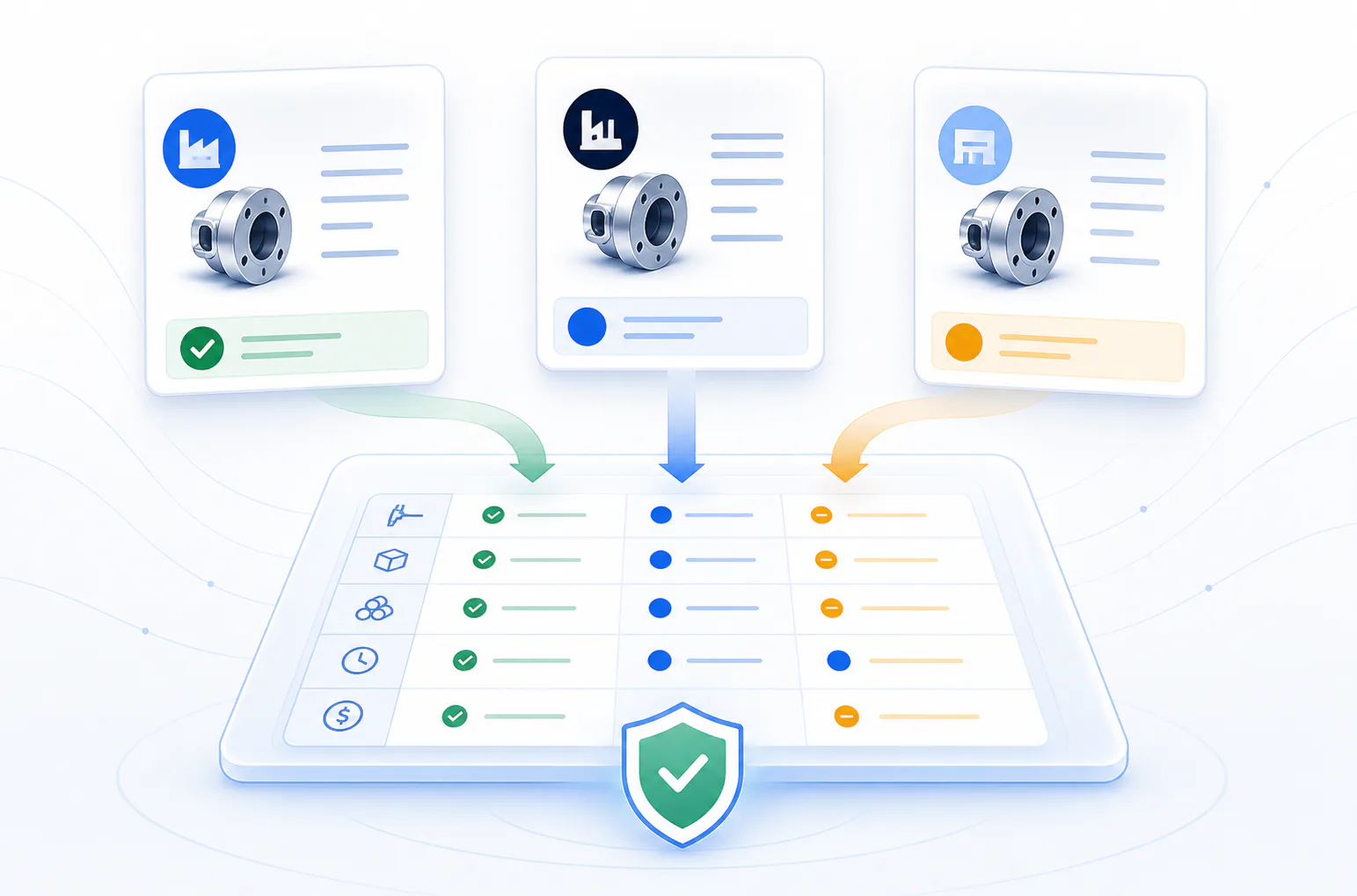
What industrial supplier performance management needs to accomplish
Supplier performance affects every customer promise a distributor makes. A low purchase price has limited value if quotations arrive incomplete, confirmations change, documentation is missing or delivery performance forces expensive recovery work.
Useful supplier management combines transaction data with quotation behavior and technical quality. It should distinguish the supplier that is slow to quote from the supplier that quotes quickly but creates repeated scope or delivery problems.
A practical operating model
Define performance dimensions that match the relationship: quotation responsiveness, technical completeness, price competitiveness, lead-time accuracy, on-time delivery, documentation quality, claim resolution and communication. Weight them differently by supplier role and product risk.
Review performance at a consistent cadence and attach examples to material scores. Discuss corrective actions with an owner and due date. Scorecards should guide sourcing and development decisions, not become unexplained ratings that suppliers cannot act on.
Field note: score the usefulness of supplier replies
A fast supplier reply is not necessarily a useful reply. In real quotation correspondence, teams still need to verify whether the response covers every line, states the brand and origin, confirms availability or lead time, and includes the technical or compliance documents needed for review.
Measure response completeness alongside response speed. A supplier that consistently returns a review-ready answer can reduce more operating effort than one that replies immediately but requires several clarification rounds. The score should preserve examples so buyers can distinguish a temporary exception from a repeatable pattern.
- Lines answered versus lines requested
- Brand, origin and offered specification stated
- Stock or lead time supported
- Datasheets and certificates attached when required
- Clarification rounds before the reply became usable
Controls that keep the process reliable
Controls should sit inside the workflow at the point where they change a decision. The aim is to make the important boundary visible without routing every routine action through the same approval queue.
- Approved supplier status and scope
- Evidence behind material score changes
- Corrective-action ownership
- Conflict-of-interest and onboarding checks
Metrics worth reviewing
Use a balanced set of service, quality, financial and workflow measures. A faster process is only an improvement when it also protects the customer promise, technical result and commercial outcome.
- Quote response and completeness rate
- Confirmed versus actual lead time
- On-time, in-full delivery
- Claims, returns and corrective-action closure
Questions for an operating review
These questions help leaders move from a generic improvement objective to a specific decision about policy, ownership, data or system design.
- Which failures create customer or margin exposure?
- Is performance measured fairly for the supplier's role?
- Are technical and commercial issues separated?
- What improvement would change sourcing allocation?
What a strong outcome looks like
A supplier scorecard is valuable when it changes decisions: who receives an enquiry, which offer needs more verification, where backup supply is required and which relationship deserves development effort.
Linking scorecards to RFQ and order evidence prevents vague reputation from replacing facts. Teams can still use judgment, but they can see the history supporting that judgment.